Parker Klein · 3 October 2026
Italian Coastal Towns Blend Traditional Boatbuilding Skills with Modern Composite Materials for Sustainable Fishing Fleets
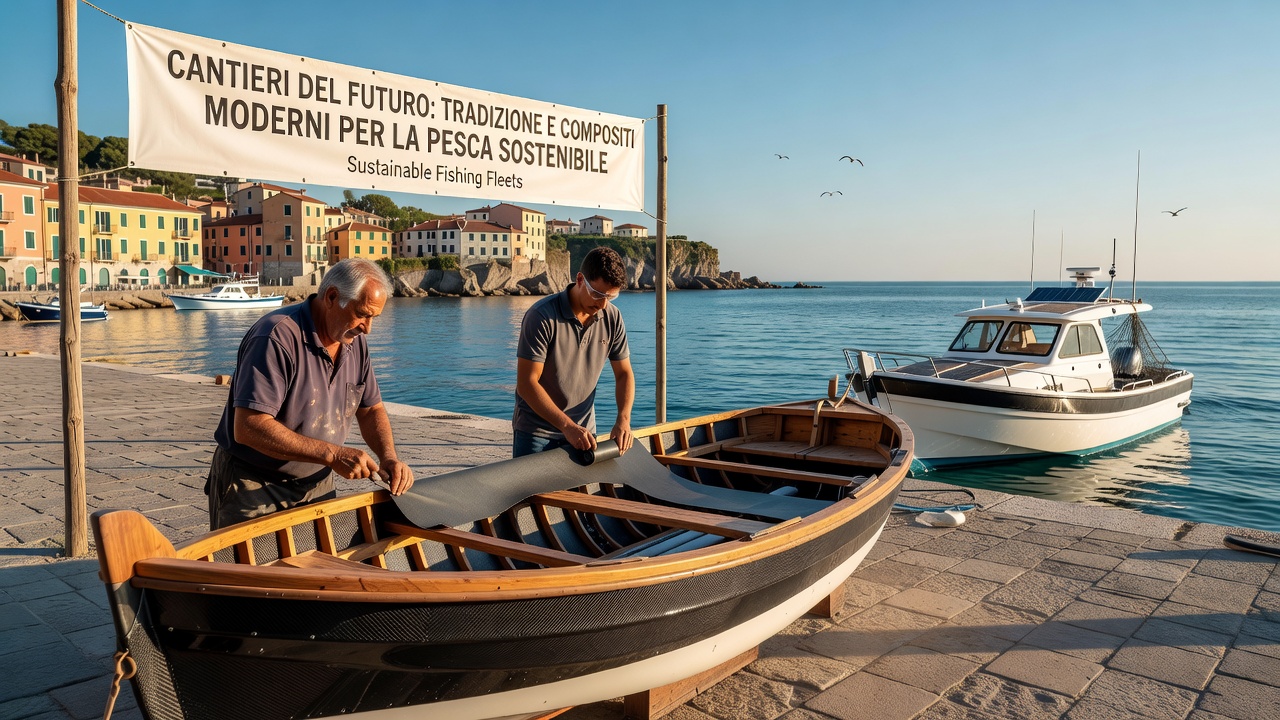
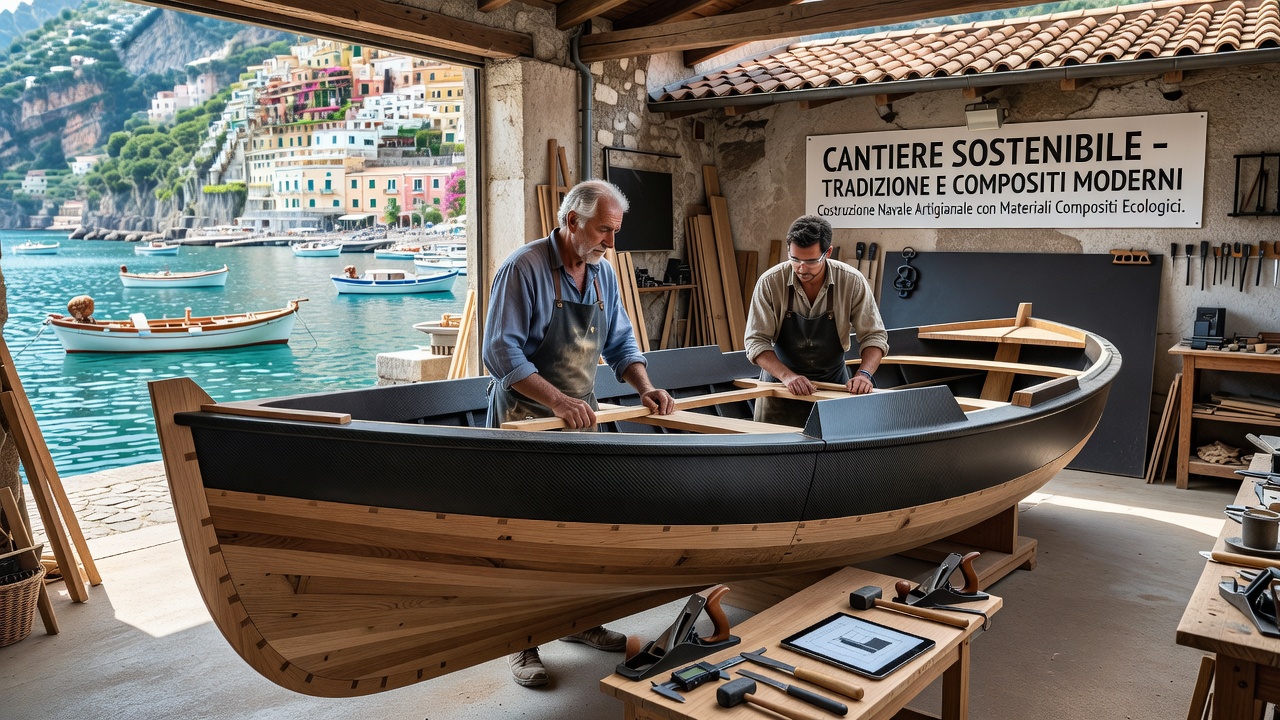
Coastal communities along Italy's Adriatic and Tyrrhenian shores maintain shipyards where artisans apply hand-laid planking methods developed over generations while layering carbon fiber and epoxy resins onto those frames to produce lighter hulls for local fishing vessels.
Data from the European Commission on maritime affairs shows that such hybrid constructions reduce vessel weight by up to 25 percent compared with all-wood designs, which in turn lowers fuel consumption during daily trawling operations.
Preservation of Craft Techniques Meets Material Innovation
Boatbuilders in towns such as Chioggia and Viareggio continue to steam-bend oak ribs and fasten them with copper rivets before they install composite skins over the structure, and this sequence preserves the flexibility that wooden skeletons provide while the outer layers resist marine borers and impact damage.
Studies conducted by the University of Genoa's naval architecture department indicate that the combination yields hulls with service lives extending beyond 30 years under intensive use in the Mediterranean, whereas traditional wooden boats often require major refits after 15 years.
Environmental and Economic Outcomes for Fishing Operations
Fleet operators report that vessels constructed with these methods consume 15 to 20 percent less diesel per ton of catch, and the savings accumulate across seasonal cycles because the reduced mass also decreases the power needed for winch operations when hauling nets.
According to figures released by Italy's Ministry of Agriculture and Fisheries, the adoption rate of hybrid boats in small-scale fleets rose from 12 percent in 2020 to 34 percent by mid-2025, driven by grants that offset the higher initial cost of composite materials.
Regional Projects and Training Programs
Apprenticeship schemes in Liguria pair master carpenters with materials engineers to teach the precise placement of fiber orientations that maximize stiffness without adding excess resin, and participants document each step in digital logs that later serve as references for quality control audits.
One project launched in October 2026 in Sicily focuses on retrofitting existing wooden vessels with composite overlays, and preliminary measurements from the first ten boats show a measurable drop in hull flex during heavy seas.
Regulatory Support and Industry Standards
The Italian Maritime Authority updated its certification guidelines in 2024 to recognize hybrid construction methods, and inspectors now verify both the traditional joinery and the composite layup schedules before granting seaworthiness certificates.
Research published by the Australian Maritime College in partnership with EU partners demonstrates that these standards align with international load-line requirements while accommodating regional variations in fishing gear weights.
Supply Chain Adjustments and Material Sourcing
Local suppliers have expanded inventories of marine-grade epoxy and glass cloth, yet they continue to stock the seasoned timber that builders select for keels and frames, and this dual availability allows yards to match material choices to specific vessel designs requested by fishing cooperatives.
Procurement records from cooperatives in Puglia reveal that 60 percent of new builds in 2025 incorporated at least one composite element, while the remainder stayed with all-wood construction for vessels operating in shallower lagoons where impact resistance remains paramount.
Conclusion
Italian coastal towns sustain fishing fleets through the measured integration of longstanding boatbuilding practices with contemporary composite technology, and the resulting vessels deliver documented gains in durability and efficiency that support both economic viability and resource management goals.
Continued monitoring by regional authorities and academic institutions tracks performance metrics across multiple seasons, providing data that informs further refinements to construction protocols.